The Best 2025 SEO Guide: Grow Your Traffic Effortlessly
 Learnan Light
In today's digital world, getting more traffic to a website is essential for success. This SEO guide will provide actionable strategies to grow your traffic and get on Google's first page without needing to be a tech expert.
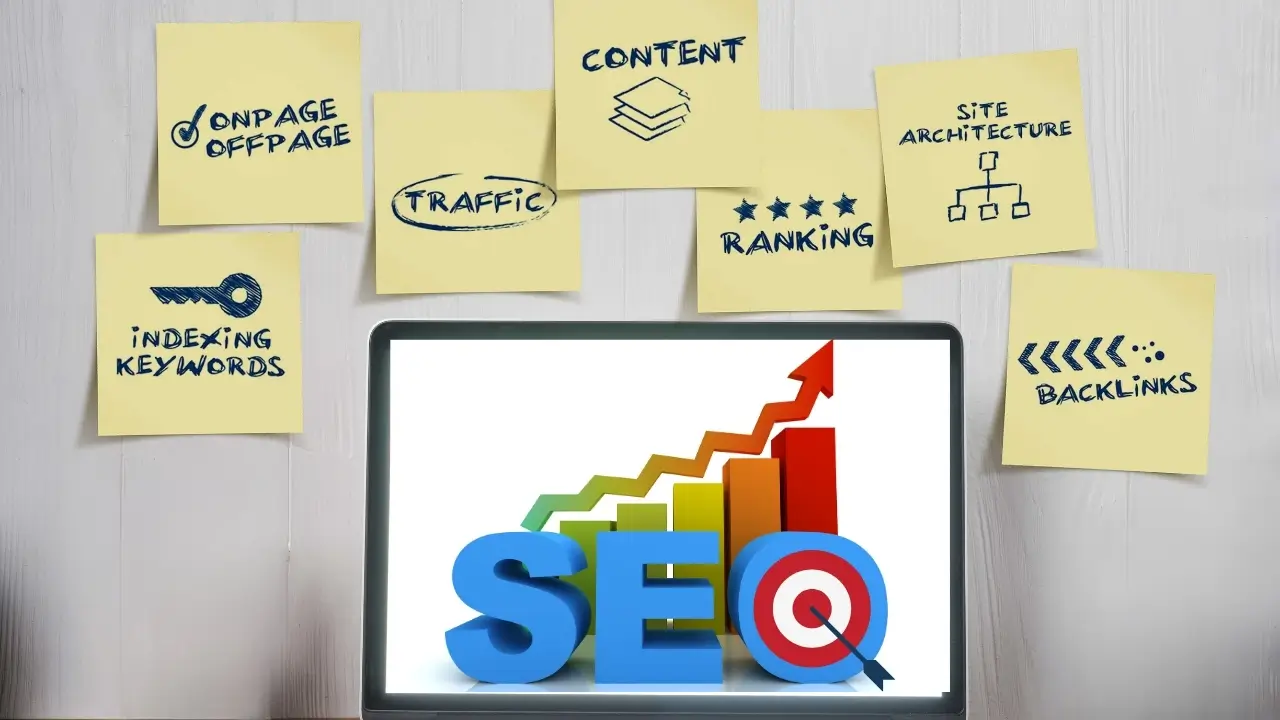
By following these proven techniques, anyone can improve their website's visibility, attract more visitors, and boost engagement. Let's dive into the best 2025 SEO strategies to get more traffic to your website effortlessly.
Key Takeaways
- Master keyword research to target the right audience
- Optimize your content for both users and search engines
- Improve technical SEO for better crawling and indexing
- Build quality backlinks to boost domain authority
- Track performance and continuously improve your strategy
Why SEO Matters in 2025
Search Engine Optimization (SEO) remains the most effective way to grow traffic organically. With Google's algorithms constantly evolving, staying updated with the latest trends is crucial.
- Higher rankings mean more visibility - Over 75% of users never scroll past the first page.
- Quality traffic leads to conversions - SEO attracts visitors who are actively searching for your content.
- Long-term growth - Unlike paid ads, SEO efforts compound over time.
For those looking to master SEO quickly, check out this SEO-friendly blog guide for expert insights.
1. Keyword Research: The Foundation of SEO
To get more traffic, targeting the right keywords is essential. Proper keyword research helps you understand what your audience is searching for and how competitive those terms are.
How to Find the Best Keywords
- Use tools like Google Keyword Planner, Ahrefs, or Ubersuggest
- Focus on long-tail keywords (e.g., "how to get more traffic to my website" instead of just "traffic")
- Analyze competitors' top-ranking pages
- Consider search intent (informational, navigational, commercial, transactional)
| Keyword Type | Example | Search Volume | Difficulty |
|---|---|---|---|
| Short-tail | "SEO tips" | High | Hard |
| Long-tail | "how to improve SEO in 2025" | Medium | Medium |
| Question-based | "why is my website not ranking?" | Low | Easy |
2. On-Page SEO: Optimize Your Content
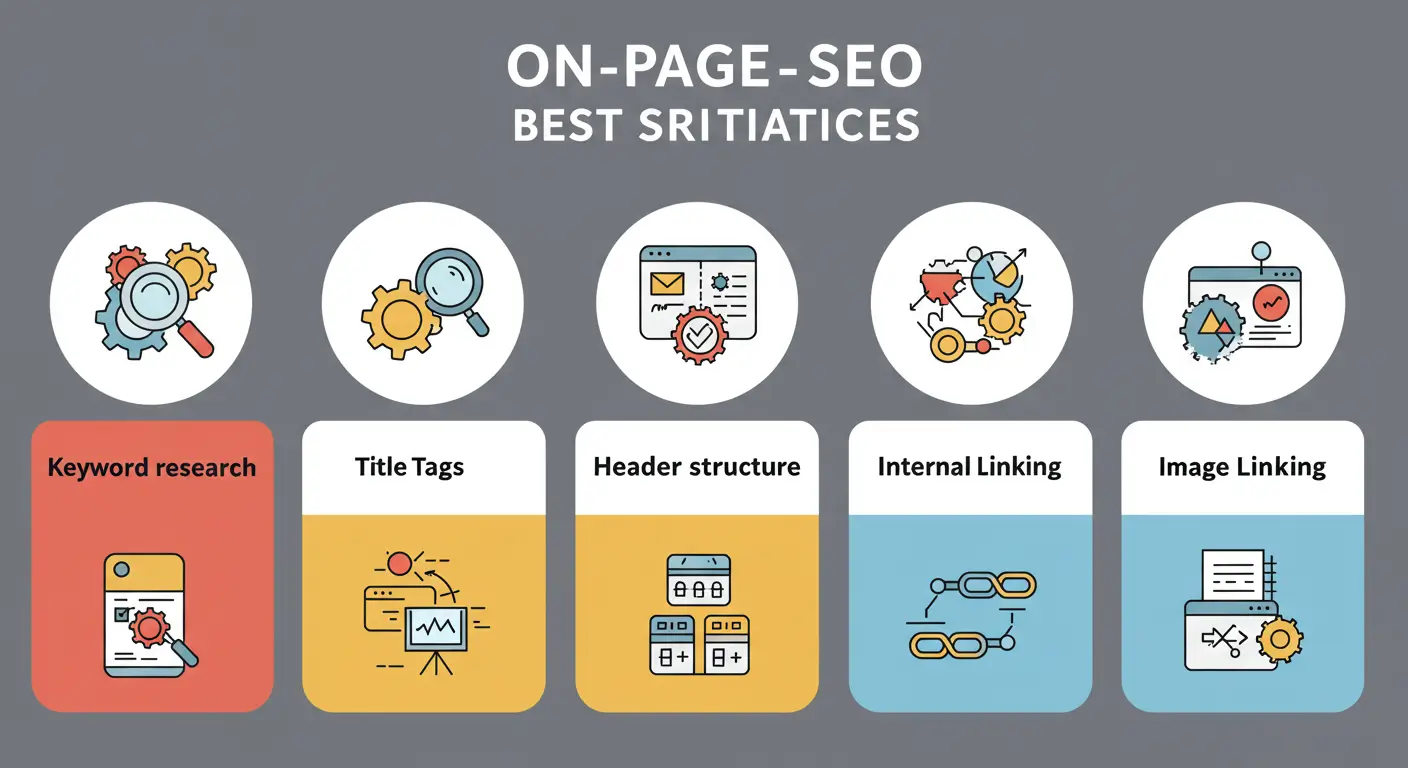
On-page SEO ensures that search engines understand and rank your content effectively. It's about making your pages as attractive as possible to both users and search engines.
Key On-Page SEO Elements
- Title tags & meta descriptions - Include your focus keyword and make them compelling
- Header tags (H1, H2, H3) - Improve readability and structure
- Internal linking - Helps Google crawl and index pages better
- Image optimization - Use alt text with keywords and compress files
- Content quality - Provide comprehensive, valuable information
- URL structure - Keep URLs short, descriptive, and keyword-rich
SEO-Friendly Blog Template
Get our professionally designed template to create perfectly optimized content every time.
Download Now3. Technical SEO: Speed & Mobile-Friendliness
A slow or unresponsive website hurts rankings. Technical SEO focuses on improving the infrastructure of your site so search engines can crawl and index it effectively.
Must-Check Technical SEO Factors
- Page speed (use Google PageSpeed Insights)
- Mobile optimization (Google uses mobile-first indexing)
- Secure site (HTTPS) - Essential for trust and rankings
- XML sitemap - Helps search engines discover your pages
- Robots.txt - Controls which pages search engines can access
- Structured data - Helps search engines understand your content better
4. Content Strategy: Quality Over Quantity
Google prioritizes helpful, well-researched content. Your content strategy should focus on solving problems and answering questions better than anyone else.
How to Create SEO-Friendly Content
- Solve a problem - Answer users' questions thoroughly
- Use engaging formats (lists, how-tos, case studies)
- Update old posts - Keep content fresh for better rankings
- Optimize for featured snippets - Answer questions concisely
- Include multimedia - Images, videos, and infographics improve engagement
5. Backlinks: Build Authority & Trust
Backlinks from reputable sites signal to Google that your content is valuable. They remain one of the most important ranking factors in 2025.
Ways to Get Quality Backlinks
- Guest posting on industry blogs
- Creating shareable infographics
- Broken link building (replace dead links with yours)
- Digital PR - Get mentioned in news publications
- Resource pages - Get listed on industry resource pages
6. User Experience (UX) & SEO
Google rewards sites that provide a great user experience. UX factors directly impact how long visitors stay on your site and how they interact with your content.
UX Factors That Impact SEO
- Low bounce rate - Keep visitors engaged
- Easy navigation - Help users find content quickly
- Readable fonts & spacing - Improves dwell time
- Clear calls-to-action - Guide users to next steps
- Fast loading times - Crucial for keeping visitors on site
7. Local SEO: Get Found in Your Area
For businesses serving specific locations, local SEO is crucial. It helps you appear in local searches and Google's "Map Pack" results.
Local SEO Best Practices
- Claim your Google My Business listing
- Get local citations (mentions on directories)
- Encourage customer reviews
- Optimize for "near me" searches
- Create location-specific pages (if serving multiple areas)
8. Voice Search Optimization
With voice search growing, optimizing for conversational queries is key. Voice searches tend to be longer and more question-based than text searches.
How to Optimize for Voice Search
- Use natural language (e.g., "how do I get more traffic to my website?")
- Answer questions in FAQ sections
- Target question-based keywords
- Optimize for featured snippets (position zero)
- Ensure your business information is consistent across the web
9. Track & Improve with Analytics
SEO success requires constant monitoring. Analytics help you understand what's working and where you need to improve.
Key Metrics to Watch
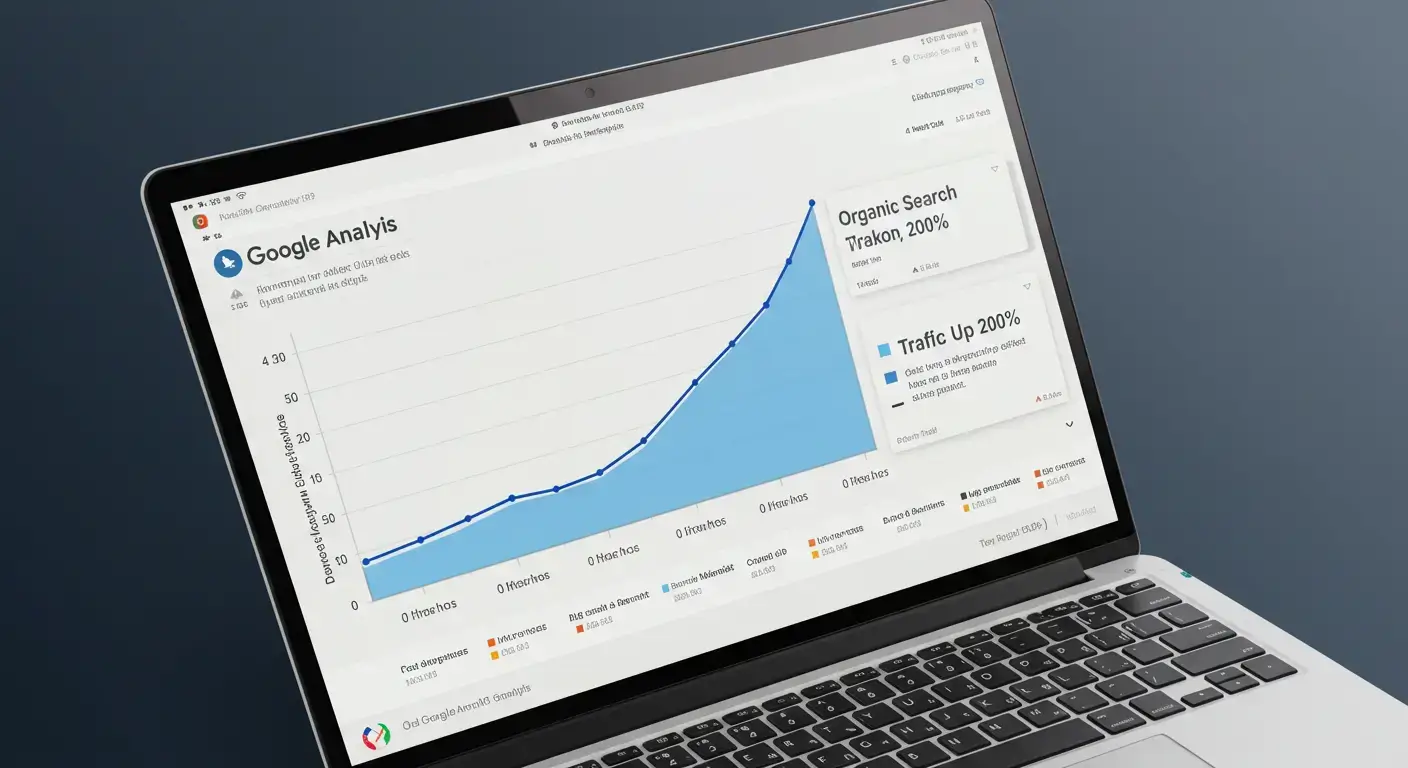
- Organic traffic (Google Analytics)
- Click-through rate (CTR) (Google Search Console)
- Keyword rankings (SEMrush, Ahrefs)
- Bounce rate - Indicates content relevance
- Conversion rate - Measures how well traffic converts
For an easy-to-follow SEO guide, download this SEO-friendly blog template to streamline your strategy.
Frequently Asked Questions
SEO is a long-term strategy. Typically, you might start seeing some results in 3-6 months, but significant improvements often take 6-12 months of consistent effort. The timeline depends on factors like your site's age, competition, and how well you implement SEO best practices.
While many factors contribute to SEO success, content quality and user experience remain paramount. Google increasingly prioritizes content that genuinely helps users and websites that provide excellent experiences across all devices. Our SEO-friendly blog guide covers how to create content that meets these standards.
Regular content updates are crucial for maintaining rankings. A good practice is to review and update your top-performing content every 6-12 months, or whenever there are significant changes in your industry. Fresh, updated content signals to Google that your information is current and relevant.
For a ready-to-use SEO guide, check out this SEO-friendly blog resource and take your website to the next level!