Step-by-Step Guide to eBook Creation
 Learnan Light
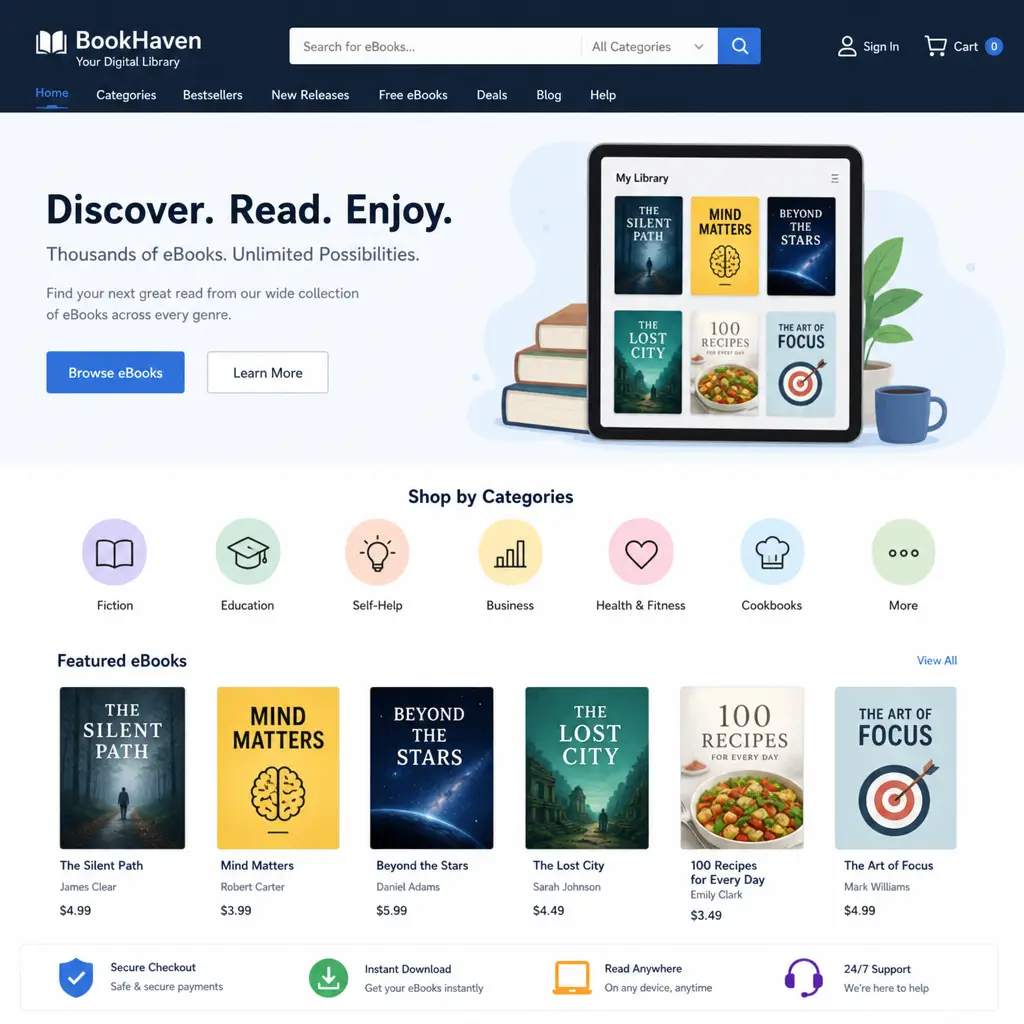
Creating and selling eBooks online is a rewarding venture. It offers a chance to share your knowledge and creativity with a global audience.
With the rise of digital reading, eBooks have become a popular choice for readers. They are convenient, accessible, and often more affordable than print books.
For aspiring authors and entrepreneurs, eBooks present a lucrative opportunity. You can self-publish and reach readers without traditional publishing barriers.
This guide will walk you through the process of eBook creation. From planning to marketing, you'll learn how to make and sell an eBook successfully.
Let's dive into the world of eBook self-publishing and explore the steps to success.
Why Create and Sell eBooks Online?
Creating and selling eBooks online opens a realm of possibilities. It allows authors to earn income while retaining creative control. More importantly, you can reach a diverse, global audience with ease.
The digital nature of eBooks offers versatility and convenience. They require no physical inventory, reducing overhead costs significantly. Additionally, digital distribution provides an eco-friendly alternative to traditional publishing.
There are many benefits to selling eBooks online:
- Access to a global market
- Reduced publishing costs
- Greater creative freedom
- Opportunities for passive income
Embrace the digital age by joining the eBook revolution today.
Step 1: Define Your Purpose and Audience
Before you begin writing, clarify your eBook's purpose. Determine what you want your readers to gain from it. A clear purpose guides your content and shapes your message.
Next, identify your target audience. Understanding their needs and interests will help tailor your content accordingly. Crafting a focused message makes your eBook more engaging and relevant.
Consider the following when defining your purpose and audience:
- What problem does your eBook solve?
- Who will benefit the most from your eBook?
- What is the desired outcome for your readers?
Defining these elements is crucial for creating content that resonates with your audience.
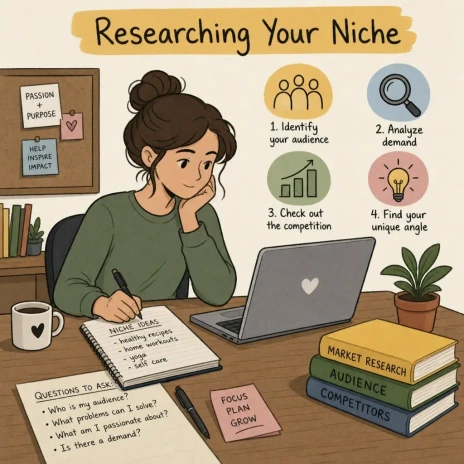
Step 2: Research Your Niche and Validate Your Idea
In this step, dive into research. Find a profitable niche by evaluating market trends and demands. A unique niche enhances the potential success of your eBook.
Look for gaps or unmet needs in the market. This can be the key to captivating an audience. It's important to ensure that your idea resonates with potential readers.
Validate your idea by seeking feedback. Conduct surveys or engage with potential readers through forums. This feedback can refine your concept and guide your approach.
Key points for niche research:
- Explore current market trends.
- Identify gaps in existing offerings.
- Seek reader feedback for idea validation.
Research and validation lay the foundation for a successful eBook. Take the time to understand what readers really want.
Step 3: Plan and Outline Your eBook
After validating your idea, it's time to plan. Create a detailed outline to organize your content logically. This will provide clarity and direction for your writing process.
Break down your eBook into sections and chapters. List the main topics and subtopics you wish to cover. This step ensures your eBook flows well and covers all necessary points.
Outlining helps maintain focus and prevents writer's block. It allows you to visualize the journey your readers will take.
Steps to create a strong outline:
- Define main sections and chapters.
- Include key topics and subpoints.
- Ensure a logical and smooth flow.
A well-crafted outline is the backbone of your eBook. It sets the stage for engaging, valuable content.
Step 4: Write Engaging and Valuable Content
With your outline ready, start writing your eBook content. Focus on creating engaging text that connects with your audience. Use a tone and style that resonate with your readers.
Address the needs and questions of your audience in each section. Provide insights and solutions that are informative and valuable. Aim to add real benefits to your readers' knowledge or life.
Keep your writing clear and concise. Avoid complex jargon unless necessary, and explain concepts thoroughly. Readers appreciate simplicity and straightforwardness.
To enhance your content, consider these tips:
- Use storytelling to illustrate points.
- Incorporate real-life examples or case studies.
- Break up text with bullet points for readability.
By doing so, you ensure your content is both accessible and enriching. Quality content keeps readers engaged and willing to recommend your eBook to others.
Step 5: Edit and Proofread for Quality
Editing is crucial for a professional eBook. It refines content and catches errors that disrupt reading flow. Meticulous proofreading elevates your eBook's standard.
Start by revising your draft, focusing on clarity and coherence. Remove redundant words and fix awkward phrasing. Pay attention to sentence structure and grammar.
Hiring a professional editor could be beneficial. If not, consider these self-editing tips:
- Take breaks to refresh your eyes and mind.
- Read aloud to catch awkward lines.
- Use software tools for grammar checks.
After editing, proofread to spot typos and minor mistakes. Meticulous attention ensures a polished final product that impresses readers and reflects your professionalism.
Step 6: Design a Professional Cover and Format Your eBook
A captivating cover draws readers to your eBook. It's the first impression, so make it memorable and reflective of your content. Consider hiring a professional designer if your design skills are limited.
Your cover should communicate the theme of your eBook effectively. It must resonate with your target audience and convey professionalism. The key is simplicity with striking elements.
Formatting your eBook is equally vital. Different platforms, like Kindle and ePub, have unique formatting requirements. Consistency across devices enhances reader experience and satisfaction.

For successful formatting, consider:
- Ensuring proper layout across devices.
- Using tools like Calibre for eBook conversions.
- Maintaining a readable font size and style.
Effective design and formatting add credibility, making your eBook stand out in a crowded market.
Step 7: Choose the Right Self-Publishing Platform
Selecting a self-publishing platform is critical for your eBook's success. Platforms like Amazon Kindle Direct Publishing and Smashwords offer various tools and audience reach. Choose one that aligns with your distribution goals.
Consider the fees and royalties associated with each platform. Some platforms take a percentage, while others offer competitive royalty rates. This choice impacts your profit margins and overall strategy.
Evaluate the platform's reach and audience. Global platforms like Amazon provide extensive access, while niche platforms might suit specific genres better. Research to ensure compatibility with your target audience.
Key factors for selection include:
- Platform's audience size and demographics.
- Ease of use and support offered.
- Distribution channels and marketing options.
The right platform will help maximize your eBook's visibility and profitability.
Step 8: Set Your Price and Prepare for Launch
Deciding on a price for your eBook requires careful consideration. Start by researching competitors' prices in your niche. This will help you position your eBook effectively.
An introductory price can attract initial buyers and generate buzz. Consider offering limited-time discounts or pre-order prices to increase interest.
Launch preparation involves more than just pricing. Plan a strategy that includes social media teasers and email announcements. This will build excitement and awareness before the official release date.
Pricing strategy tips:
- Align price with perceived value.
- Test different price points.
- Monitor sales and adjust as needed.
Launching an eBook is an opportunity to make a strong first impression. Ensure your pricing reflects the eBook's quality and market demand.
Step 9: Develop a Marketing Strategy
A solid marketing strategy is crucial for your eBook's success. Begin by identifying your target audience's preferred platforms and channels. This will ensure your marketing efforts reach the right people.
Social media platforms, like Instagram and Twitter, can be potent tools. Use them to share snippets, behind-the-scenes content, and eBook launch updates. Engaging graphics and captivating hashtags can boost visibility.
Email marketing is another valuable method. Build a list by offering lead magnets such as a free chapter or a resource guide. Regular updates about your eBook can keep your audience engaged.
Marketing strategy essentials:
- Leverage social media for promotion.
- Collaborate with influencers in your niche.
- Use SEO to improve online visibility.

Collaborations with other authors or industry influencers can expand your reach. Consider guest blogging or co-hosting webinars. These collaborations can introduce you to new audiences eager for fresh content.
Step 10: Collect Reviews and Build Credibility
Reviews are invaluable for establishing trust and attracting new readers. Encourage early readers to leave honest feedback on platforms like Amazon or Goodreads. These testimonials can greatly impact potential buyers' decisions.
In addition to collecting reviews, consider reaching out to bloggers or influencers for testimonials. Their endorsements can lend credibility and expand your reach. Highlight positive reviews in your marketing materials to underscore your eBook's value.
Key strategies for building credibility:
- Request reviews from your audience.
- Feature testimonials prominently.
- Collaborate with trusted influencers.
Step 11: Track Performance and Optimize Your Sales
Analyzing your sales data is essential to understand what's working and what isn't. Monitor key metrics such as sales volume, revenue, and conversion rates regularly. This data will provide insights into customer behavior and purchasing trends.
Use this information to refine your marketing strategies and sales approaches. Adjust pricing, try new marketing channels, or tweak your promotional tactics based on the insights gained. Consistent monitoring helps adapt and grow in a dynamic market.
Consider these actions for optimization:
- Analyze sales data frequently.
- Modify strategies as needed.
- Explore new marketing channels.
Advanced Tips for Long-Term Success
To maintain success in eBook sales, adaptability and innovation are key. Focus on building a loyal reader community by offering exclusive content or personalized experiences. This strengthens your brand and encourages repeat purchases.
Stay informed about industry trends and continuously refine your strategies. Experiment with new formats or marketing techniques to keep your content appealing and fresh. Consider these strategies for sustainable growth:
- Engage with your audience consistently.
- Stay updated on industry changes.
- Innovate with new content formats and marketing tactics.
Frequently Asked Questions About eBook Creation and Sales
Many aspiring authors have questions about the eBook creation and sales process. Understanding the basics can set you on the right path.
A common question is how to make an eBook that stands out. Focus on unique, valuable content and professional design.
Here are a few frequently asked questions to consider:
- What are the costs involved in self-publishing?
- How do I protect my eBook from piracy?
- What platforms are best for selling eBooks online?
These questions address crucial aspects of eBook publishing success.

