Top ChatGPT Prompts for Creative Writing
 Learnan Light
Top ChatGPT Prompts for Creative Writing
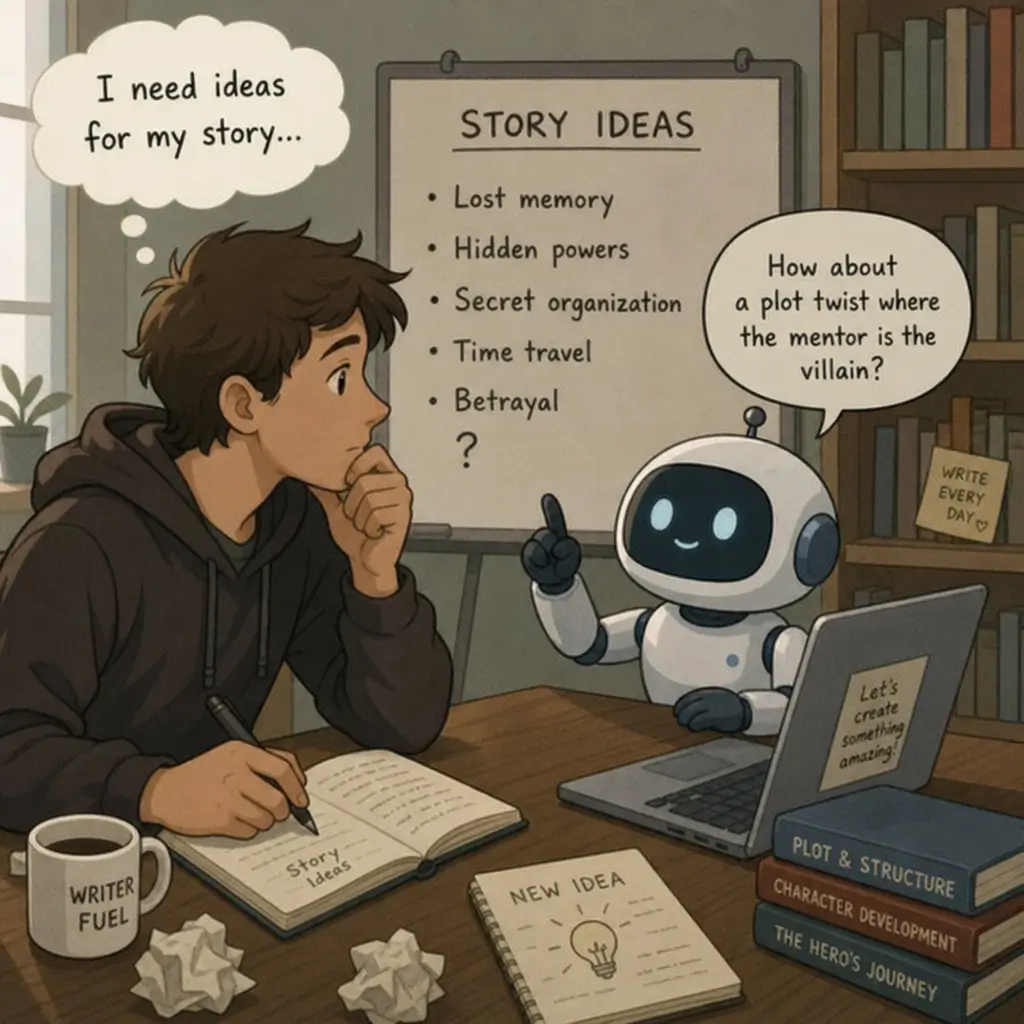
Creative writing can be a daunting task. But with the right tools, it becomes an exciting journey. Enter ChatGPT, a powerful AI that can transform your writing process.
ChatGPT excels at generating creative content. It can help you overcome writer's block and spark new ideas. With the right prompts, it can mimic human-like writing.
Understanding how to prompt ChatGPT is key. Specific and detailed prompts lead to more engaging and accurate responses. This guide will show you how to craft effective prompts.
From picture prompts to human-like writing, we cover it all. You'll learn techniques to enhance your storytelling and explore new genres. Let's dive into the world of ChatGPT and unlock your creative potential.
Why Use ChatGPT for Creative Writing?
ChatGPT is more than just a writing tool; it’s a creative partner. It helps you explore new ideas and writing styles effortlessly. This AI is adaptable, making it perfect for writers of all levels.
One of the main benefits of using ChatGPT is its ability to generate a vast array of ideas quickly. Whether crafting narratives or developing plotlines, it excels in offering diverse suggestions. This functionality keeps your writing fresh and engaging.
Using ChatGPT can also help refine your writing style. By learning from the AI's suggestions, you might improve your own techniques. It can simulate human-like writing which is crucial for crafting relatable content.
Here are some key reasons to use ChatGPT for creative writing:
- Brainstorm new ideas.
- Experiment with various genres.
- Develop compelling characters.
Incorporating ChatGPT into your writing routine enriches your process. This tool encourages you to break boundaries and try novel approaches. Let ChatGPT be your guide in crafting compelling stories.
How to Prompt ChatGPT: Essential Tips
Effective prompting is key to unlocking ChatGPT's potential. The quality of your input directly influences the output. Crafting thoughtful prompts enhances creative writing endeavors.
Start with clarity. Provide concise and specific prompts. This approach helps ChatGPT understand exactly what you need. The clearer you are, the more focused the response will be.
Include context in your prompts to guide the narrative. Context helps ChatGPT generate a cohesive and sensible storyline. Set the stage by defining characters, settings, or situations.
When prompting, it's beneficial to use open-ended questions. These questions lead to expansive and imaginative responses. Avoid closed questions that restrict creativity.
Lists can guide you in creating the best prompts:
- Define your narrative goals.
- Specify the tone or style you desire.
- Add context for more detailed responses.
A second list might include prompt-structuring advice:
- Use vivid adjectives for richer details.
- Mention themes or messages for guidance.
- Set a word limit for concise responses.
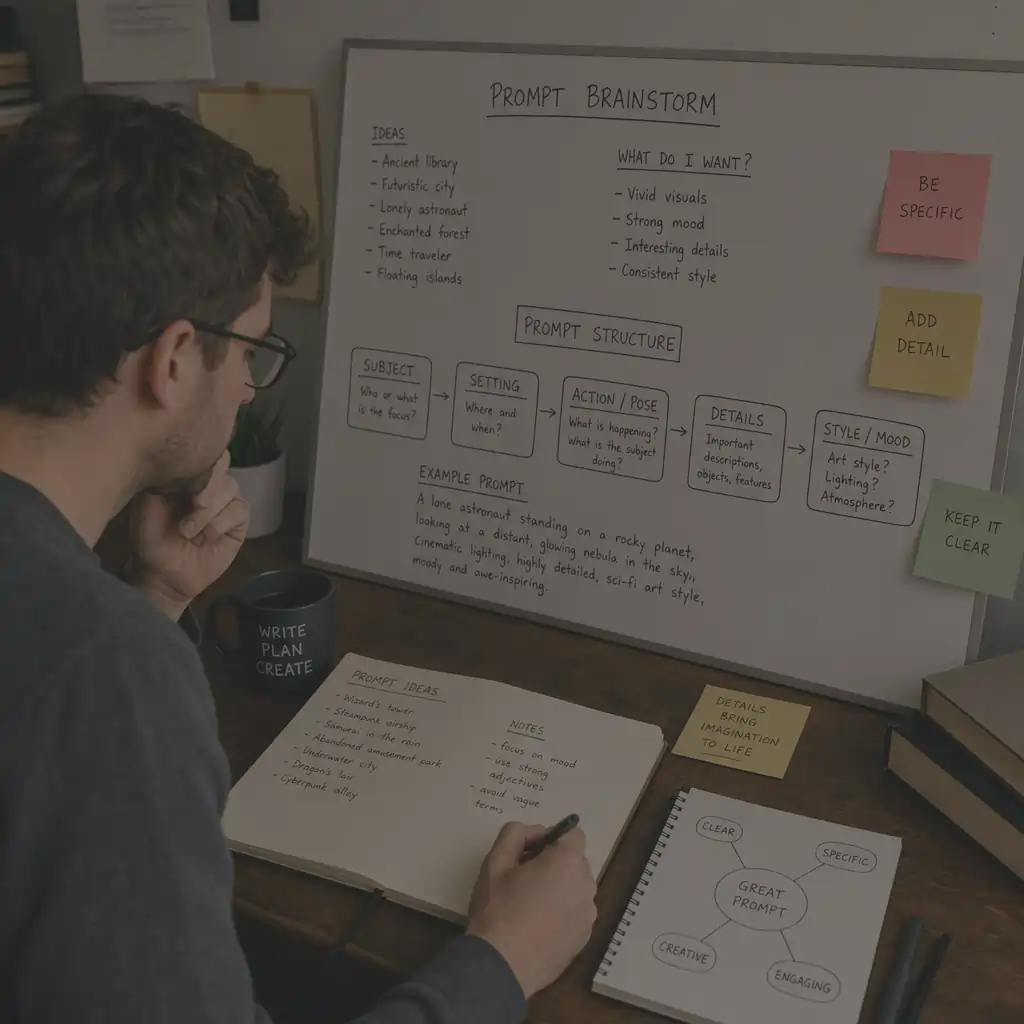
Remember, experimentation is your friend. Trying various styles and formats can yield surprising results. Adjust and tweak your prompts to see how ChatGPT responds. This way, you’ll discover what works best for your creative needs.
Crafting Prompts That Make ChatGPT Write Like a Human
Creating prompts that evoke human-like writing requires adding depth to your inputs. To achieve this, focus on incorporating emotional and sensory details.
Think about how people naturally describe experiences. Consider emotions, smells, and textures. Such details enrich the narrative and make it more engaging. Imagery, combined with feelings, leads to more authentic responses.
Consider using character-driven prompts. Introduce characters with distinct personalities and backgrounds. Specify how they might react in various scenarios. This adds layers to your narrative, resembling human storytelling.
Don't shy away from complex themes. Prompts that touch on moral dilemmas or internal conflicts can inspire profound responses. These themes stimulate ChatGPT to explore multifaceted narratives.
Here's a list of elements to include for human-like writing:
- Emotions: sadness, joy, anticipation
- Sensory details: scents, sounds, textures
- Complex themes: ethics, identity, growth

By integrating these techniques, your prompts can guide ChatGPT to emulate the nuanced and layered storytelling styles humans use. This deepens the richness of the generated content and connects with readers on a more personal level.
Best ChatGPT Prompts for Creative Writing: Examples
The key to unlocking ChatGPT's creative potential lies in crafting effective prompts. A well-designed prompt can lead to compelling narratives and vivid storytelling. Here are some examples to get you started.
Character Exploration Prompts:
These prompts focus on character development, helping you explore different personas and interactions.
- "Create a dialogue between a seasoned detective and a rookie partner during a stormy night."
- "Write a monologue from the perspective of a painter who’s just lost their muse."
- "Develop a story about a chef with a secret ingredient passed down through generations."
These prompts encourage ChatGPT to flesh out deep, complex characters that drive the narrative.
Setting-Centric Prompts:
Place and time can add a rich tapestry to the storytelling. Use setting as a focal point in your prompts.
- "Describe an ancient library where each book glows with a mysterious light."
- "Transport to a bustling market in a futuristic city where technology blends with tradition."
- "Set the scene in a quiet village during an unexpected solar eclipse."
By providing such settings, you guide ChatGPT to create immersive environments that captivate readers.

Plot-Driven Prompts:
For plot twists and engaging narratives, focus on scenarios with built-in tension or conflict.
- "Write a story where a character discovers a message in a bottle that changes their life."
- "Explore what happens when a time-traveler accidentally alters a pivotal event in history."
- "Narrate the events leading to a peaceful protest turning into a historical revolution."
These prompts push ChatGPT to weave engaging plots that hold the reader's attention.
By mixing characters, settings, and plots, you can create unique and imaginative stories. Experiment with these prompts and watch as ChatGPT helps you craft captivating tales.
ChatGPT Picture and Image Prompts for Visual Storytelling
Visual storytelling can breathe life into creative writing by engaging the reader’s senses. ChatGPT picture and image prompts are a powerful way to inspire vivid descriptions and imaginative narratives.
When you combine imagery with textual prompts, the result is often a dynamic and engaging piece of writing. Imagine a snowy landscape or an old clock tower looming over a quaint town. These images can serve as powerful catalysts for creativity.
Here are some examples of how to use visual prompts:
- "Describe the colors and emotions of a bustling street market at dawn."
- "Narrate the mystery behind an old painting that moves under moonlight."
- "Create a short story about an ancient artifact found on a deserted beach."
These prompts encourage the writer to interpret visuals in unique and creative ways, crafting rich narratives that captivate the reader.

The use of visual prompts with ChatGPT challenges writers to explore different aspects of storytelling. By incorporating imagery, you ensure that your writing is not only telling a story but painting a picture in the reader's mind.
Advanced Prompting Techniques for Human-Like Writing
Creating human-like writing with ChatGPT involves blending creativity with technique. Advanced prompting can enhance the AI's ability to mimic natural human expression, offering readers a more engaging experience.
To achieve this, focus on the nuances of language, culture, and emotion. Start by incorporating sensory details that evoke feelings, painting a vivid picture in the reader's mind.
Consider these advanced prompting techniques:
- Emotional depth: Use emotions to drive your story's tone.
- Cultural references: Integrate cultural symbols to give your narrative authenticity.
- Dynamic dialogues: Construct conversations that reflect real-life interactions.
- Sensory language: Engage all senses for a multi-layered experience.
These strategies guide ChatGPT in crafting pieces that resonate with readers on a deeper level. By pushing the boundaries of creative writing, you set the stage for impactful storytelling.
Experimenting with various advanced techniques allows you to explore human-like writing with ChatGPT. As you refine your prompts, observe how slight adjustments in style or focus can alter the narrative's texture.
Common Mistakes to Avoid When Prompting ChatGPT
Crafting effective prompts can transform your creative writing with ChatGPT. However, several mistakes can hinder results and lead to less-than-ideal outputs.
One common mistake is being too vague. Ambiguity can confuse ChatGPT, causing it to generate irrelevant or unhelpful content. Ensure your prompts are clear and specific to direct the AI effectively.
A lack of context is another pitfall. Without sufficient background information, ChatGPT might struggle to produce coherent narratives. Provide necessary details to frame your prompts adequately.
Here's a quick list of mistakes to watch for:
- Vagueness: Avoid unclear or too general prompts.
- Ignoring context: Always provide background details.
- Overloading prompts: Keep them concise and focused.
Addressing these errors will significantly enhance your experience with ChatGPT, leading to more engaging and relevant writing.
Conclusion: Unlocking Your Creative Potential with ChatGPT
ChatGPT offers a dynamic tool for those looking to enhance their creative writing. By crafting well-structured and thoughtful prompts, writers can explore new narrative horizons.
Harnessing ChatGPT effectively opens doors to unique storytelling and inventive ideas. Keep experimenting with different prompt styles. Your creative potential awaits, guided by this AI's responsive nature.

